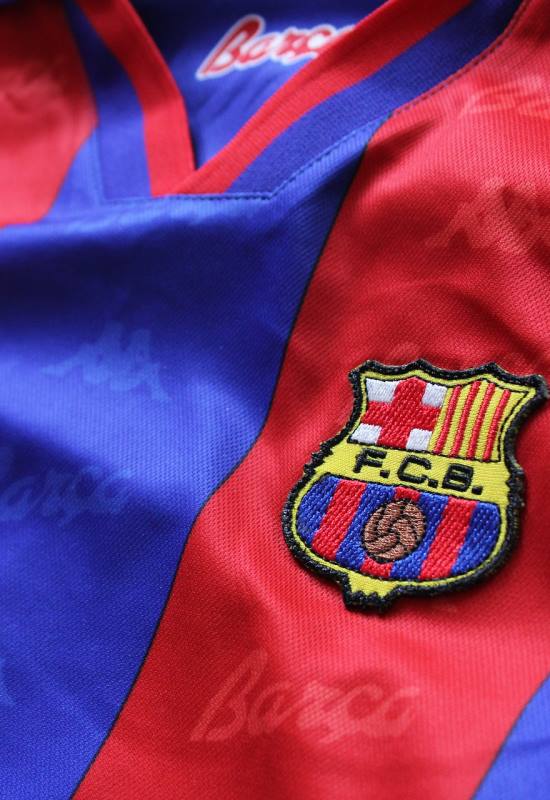
BARCELLONA FOOTBALL CLUB
|
Il
Barcelona FC è una delle più grandi squadre polisportive del mondo,
nota soprattutto per il club calcistico, famigliarmente conosciuto come
Barça. La squadra ha sede a Barcellona, nella regione della
Catalogna, e gioca le partite casalinghe nello stadio
Camp Nou
(ufficialmente conosciuto come Estadi del Futbol Club Barcelona). Il
Barça è una delle più importanti squadre di calcio della Spagna, attualmente
attiva nella Prima divisione del campionato spagnolo (Primera
División ) e conserva orgogliosa numerosi primati mondiali, tra cui si
noti la presenza da oltre 45 anni nelle maggiori competizioni europee.
|
|
 La
squadra ha vinto tutto quello che è possibile vincere nel calcio, 20 volte
lo scudetto spagnolo, 3 coppe Champions League, 1 coppa del
mondo FIFA ed altri importanti premi. Siamo qui di fronte ad una squadra
di grande prestigio sportivo. La
squadra ha vinto tutto quello che è possibile vincere nel calcio, 20 volte
lo scudetto spagnolo, 3 coppe Champions League, 1 coppa del
mondo FIFA ed altri importanti premi. Siamo qui di fronte ad una squadra
di grande prestigio sportivo.
Le
sue origini, per un motivo o per l'altro, hanno influenze esterno al
territorio spagnolo. La squadra nasce alla fine del XIX secolo, nel 1899,
allorché Hans Gamper, calciatore e grande sportivo di origine
svizzera, decise insieme ad altri dieci giocatori, di fondare una società
sportiva. La squadra verso la fine del mese di novembre del 1899 andava già
delineando nome e obiettivi, ma di certo non avrebbe mai
potuto immaginare gli importanti eventi che avrebbero seguito. Il periodo si
prestava bene all'intento, in quelli che erano considerati come anni
difficili per la Catalogna: la nascita della squadra e della sua
bandiera andavano a rappresentare le speranze di libertà per popolo
catalano ed oggi, a distanza di oltre un secolo, quella stessa bandiera
è diventata il simbolo più fiero del legame tra la squadra e i suoi
appassionati sostenitori.
 Nel corso di un secolo di storia, momenti brutti e
tragici e momenti di gloria e grandi vittorie, hanno tutti contributo a
plasmare il carattere attuale di una delle squadre sportive più forti del
mondo. La fama del Barça può essere attribuita, in parte, alle
impressionanti statistiche, ma di sicuro il fattore più importante è quello
che vede la squadra come una delle più altamente decorate del mondo. In
vetrina sono qui presenti tutti i trofei possibili. In cima, affiancata alla
collezione in Coppa dei Campioni, troviamo il coronamento di un finale di
Wembley che è entrata nei libri di storia. Oltre alle vittorie ottenute
in ambito domestico ed europeo, si ricorda che il Barcelona FC si ritrova ad
essere in una posizione invidiabile, mai raggiunta da nessun'altra squadra:
è l'unica squadra in Europa ad aver partecipato a tutte le gare di Coppa
a partire dal 1955 (anno di inizio del torneo). Nel corso di un secolo di storia, momenti brutti e
tragici e momenti di gloria e grandi vittorie, hanno tutti contributo a
plasmare il carattere attuale di una delle squadre sportive più forti del
mondo. La fama del Barça può essere attribuita, in parte, alle
impressionanti statistiche, ma di sicuro il fattore più importante è quello
che vede la squadra come una delle più altamente decorate del mondo. In
vetrina sono qui presenti tutti i trofei possibili. In cima, affiancata alla
collezione in Coppa dei Campioni, troviamo il coronamento di un finale di
Wembley che è entrata nei libri di storia. Oltre alle vittorie ottenute
in ambito domestico ed europeo, si ricorda che il Barcelona FC si ritrova ad
essere in una posizione invidiabile, mai raggiunta da nessun'altra squadra:
è l'unica squadra in Europa ad aver partecipato a tutte le gare di Coppa
a partire dal 1955 (anno di inizio del torneo).
Tra i trofei vinti è compresa anche la Coppa delle
Coppe, che il club ha vinto ben quattro volte - diventando così il re
indiscusso della competizione. Ad esso si aggiungono quattro coppe UEFA,
due di queste quando il torneo era ancora conosciuta come
Inter-industriale della Coppa delle Fiere. In casa, il regno del Barça è
assoluto, nessun altra squadra spagnola può essere eguagliata al Barcelona
FC, con 25 titoli di campione in Copa del Rey. Nel
Campionato spagnolo (storicamente uno dei più duri
del mondo), il Barça festeggia ben 20 scudetti al suo nome (di cui
consecutivi gli ultimi due 2008-2009, 2009-2010). Sei di questi sono stati
accumulati nel corso degli ultimi dieci anni. Vanno aggiunte, 2
Coppa Liga e 9 Supercoppa di Spagna.
Il decennio tra il 1919 e il 1929 è considerato un
periodo d'oro per il club. In questo decennio la squadra vantava
giocatori come Samitier, Alcántara, Zamora, Sagi,
Piera e Sancio, la cui bravura e professionalità ha richiamato
sempre più un maggior numero di sostenitori, tanto che la società ha
iniziato ad identificarsi con il nazionalismo catalano nel corso di
un particolare periodo difficile per la politica del paese e della regione.
Il 20 maggio 1922 venne inaugurato lo stadio Les Corts, presto
conosciuto come 'cattedrale del calcio', un magnifico stadio con una
capienza di 30.000 spettatori, poi raddoppiata a 60.000. Alla celebrazione
del 25° anniversario del club, nel 1924, venne creato il celebre poster
disegnato da Josep Segrelles, artista di Valencia.
Nella stagione 1928-29 il Barça vinse il primo dei
numerosi titoli del campionato spagnolo. Nel mezzo dei gloriosi anni '20, la
società iniziò a soffrire di problemi di carattere non sportivo, precursori
delle difficoltà nel decennio successivo. Il 14 giugno 1925, durante la
dittatura di Primo de Rivera, la folla fischiò l'inno nazionale spagnolo
e per rappresaglia il governo chiuse il terreno di gioco per sei mesi, poi
ridotti a tre e costrinse il fondatore Hans Gamper a rinunciare alla
presidenza di una decina di club. Alla morte di Gamper, avenuta
cinque anni dopo, il 30 luglio 1930, e nonostante giocatori del calibro di
Ventolrà, Raich o Escolà, il club entrò in un
periodo di declino aggravato anche dal conflitto politico, che
mise in ombra lo sport nazionale. Il Barça dovete affrontare una crisi
su tre fronti: finanziario, sociale e di marketing, tanto che il numero
di iscritti decresceva a dismisura, e questo nonostante le vittorie nei
campionati (1929-30, 1930-1931, 1931-1932, 1934-1934, 1935-1936 e 1937-38).
Un mese dopo l'inizio della guerra civile il
presidente del Barça Josep Suñol venne assassinato dai soldati del
generale Franco nei pressi di Guadalajara. Fortunatamente,
durante l'accaduto la squadra era in trasferta in Messico e negli Stati
Uniti, ciò tuttavia fece si che metà dei giocatori si ritrovò in cerca
di esilio in Messico e in Francia. Il 16 Marzo 1938 i
fascisti gettarono una bomba nella sede sociale del club sociale
causando gravi danni. Pochi mesi dopo, Barcellona era sotto l'occupazione
fascista e come simbolo del nazionalismo catalano, il club, ora sceso a
3.486 iscritti, iniziò ad affrontare una serie di problemi. Vi furono
conseguenti una serie di cambiamenti: nel 1940 uno stretto collaboratore del
regime franchista, Enric Piñeyro venne nominato Presidente, il
nome del club cambiò da Futbol Club Barcelona a Club de Fútbol
Barcelona (una modifica invertita nel 1973), le quattro barre rosse
della bandiera catalana vennero ridotte a due.
Con la conquista dei campionati spagnoli del 1944-45,
1947-48 e 1948-49, così come la Copa Llatina nel 1949, il club
finalmente sembrò aver voltato pagina e mettere i problemi degli anni
precedenti alle spalle. Con figure importanti come César, Basora,
Velasco, Curta, i fratelli Gonzalvo, Seguer,
Biosca e Ramallets, la società celebrò il 50° anniversario
incrementando il numero membri (24.893) e che un totale di 21 campionati
catalani, 9 coppe e 4 titoli del campionato spagnolo. Con l'arrivo di
Ladislau Kubala nel giugno del 1950 le cose non fecero altro che
migliorare.
Lo
stadio attuale, il Nou Camp venne inaugurato l 24 settembre
1957 con 90.000 posti, grazie anche alle spinte a favore da parte del
neo-presidente della società Francesco Miró-Sans. Negli anni '60 il
club si ritrovò nuovamente al centro di sentimenti d'identità catalana di
tipo nazionalistico. Nel 1971 la squadra vinse la Coppa di Spagna. Due anni
dopo si arricchiva di Johan Cruyff, leggenda del calcio olandese. In
quegli anni il club contava 69.566 membri, un record mai visto per una
squadra di calcio. Negli anni successivi la squadra arrivò a vincere quattro
titoli nella Coppa Europea di Wembley. Sempre nello stadio della
capitale inglese, Londra, il 20 maggio 1992 arriva uno dei momenti
più memorabili per il Barça: battuta per 1-0 la
Sampdoria la squadra catalana andò a vincere la Coppa dei Campioni. Il
goal di Koemans al 112° minuto di gioco fa ora parte della leggenda.
Nel 1994 la squadra vinse il Pallone d'oro con Hristo Stoičkov.
In totale sono 7 i palloni d'oro vinti dai giocatori del Barça, il primo fu
quello di Luis Suarez nel 1960, l'ultimo quello di Lionel Messi
nel 2009. Il museo del Barcellona annesso allo stadio Camp Nou è
ultratecnologico ed è veramente tanto visitato.
Il 23 luglio 2000, Joan Gaspart assunse la
presidenza del club. Un altro dei momenti di maggiore orgoglio per la
società è avvenuto l'11 maggio 2003, quando la squadra di basket
vinse per la prima volta l'Eurolega. La finale venne giocata nel
Palau Sant Jordi contro la Benetton Treviso. Il punteggio di
quella giornata memorabile fu Barca 76, Benetton 65.
Dal
giugno del 2003, Joan Laporta è stato il nuovo presidente della
società fino a non molto tempo fa, dando vita a un nuovo
periodo nella storia del Barcelona: vennero presi giocatori come
Ronaldinho, Giuly, Deco, Eto'o, Larsson, Messi e
Ibrahimovic (anche se solo per un anno). Il numero dei soci del club
iniziò ugualmente ad aumentare grazie alla campagna pubblicitaria. Dal
giugno 2010 è stato eletto presidente del club Alexandre Rosell.
Oggi, grazie alle accresciute dimensioni sociali, culturali
e sportive, il
FC Barcelona
è considerato il più importante club
multi-sportivo al mondo. Le altre sezioni
del club (pallacanestro, pallamano,
hockey, atletica leggera, hockey su prato, hockey su ghiaccio, pattinaggio
artistico, calcetto, rugby, baseball, pallavolo, ciclismo e calcio
femminile) hanno ugualmente raggiunto grande successo sia a livello
nazionale che internazionale. Hans Gamper ne sarebbe stato più che
orgoglioso.
Copyright © Informagiovani-italia.com. La riproduzione totale o parziale, in qualunque forma, su qualsiasi supporto e con qualunque mezzo è proibita senza autorizzazione scritta.
Se questa pagina ti è piaciuta e ti è stata utile, per favore prenota con noi un hotel o un ostello ai link che trovi in questa pagina, è un servizio di Booking, non spenderai un euro in più, ma ci aiuterai ad andare avanti, per quanto possiamo e a scrivere e offrire la prossima guida gratuitamente. Oppure se vuoi puoi offrirci un caffè (ma non ci offendiamo se ci offri una pizza :) ) con una piccola donazione:.:
Paypal
☕
Ostelli Barcellona
Ostelli Spagna
Hotel Barcellona
Hotel Spagna
Carte d'Espagne Karte von Spanien
Mapa de España Map of Spain
Carte de Barcelone
Karte von Barcelona
Mapa Barcelona Map of Barcelona
|